Think you must choose between cheap short-term coverage and the long-game tax perks of an HSA? Think again. With the right strategy, you can stitch both together into a flexible, lower-cost safety net that still protects your wallet and your health.
What is Short-Term Insurance + HSA and why it matters
Short-term health insurance provides temporary coverage intended to bridge gaps — for example, between jobs, waiting for employer coverage to start, or during transitions. These plans typically cost less up-front but often skip major benefits like guaranteed renewability, ACA essential benefits, and protections for pre-existing conditions. For many people, they are a budget-friendly bandage, not full protection. healthinsurance.org
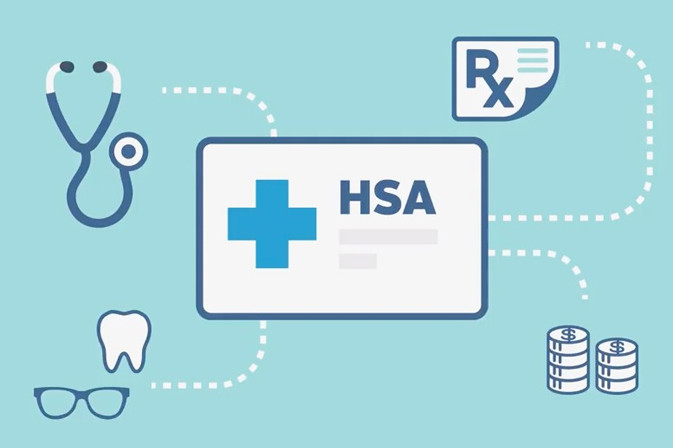
A Health Savings Account (HSA) is a tax-advantaged savings account that pairs with a qualifying High-Deductible Health Plan (HDHP). HSAs offer a triple tax benefit: pre-tax contributions, tax-free growth, and tax-free withdrawals for qualified medical expenses — making them one of the rare personal finance tools that behave like a hybrid between an emergency fund and a retirement vehicle. However, IRS rules require that to contribute to an HSA you must be covered by an HSA-eligible HDHP and meet other eligibility rules. irs.gov+1
Why combine the two? Because a savvy consumer can use a short-term plan for lower monthly premiums while preserving HSA funds (or timing contributions) so the household remains fiscally resilient without paying full price for a year-round, high-premium plan. That said, the design and legal rules matter — get them wrong and you lose HSA eligibility or face large out-of-pocket bills.
Short-Term Insurance: strengths, limits, and how it fits the puzzle
Short-term plans’ biggest strength is their price. For healthy people who rarely use health services, these plans can dramatically lower monthly cash outflows while covering catastrophic events in a pinch. They are also flexible — you can often buy them any time of year. Freeway Insurance
But there’s a catch:
Limited benefits: Many short-term plans do not cover preventive services, mental health care, maternity, or pre-existing conditions.
Policy lengths and renewals: Recent regulatory changes mean states and federal rules may limit durations — sometimes to as short as three months — and not all plans guarantee renewal. Reuters+1
So where does an HSA come in? If you already have an HSA from a previously qualified HDHP, you can still use the money in that HSA to pay qualified medical expenses even if you later enroll in a short-term plan. But you cannot contribute to the HSA unless you are currently covered by an HSA-eligible HDHP. That distinction is crucial. irs.gov
HSA fundamentals (eligibility, contribution limits, and the tax mechanics)
To be eligible to contribute to an HSA you must:
Be covered under an HSA-eligible HDHP on the first day of the month.
Have no other disqualifying health coverage.
Not be enrolled in Medicare or be claimed as someone else’s dependent. irs.gov
Contribution caps change year-to-year. For 2025 the individual limit rose to $4,300 and $8,550 for family coverage (with catch-up contributions allowed for those 55+). The HDHP minimum deductibles and out-of-pocket maximums are also adjusted annually by the IRS — for 2025 the minimum deductible for self-only coverage was set at $1,650, and family at $3,300. These numbers matter because they define which plans are HSA-eligible. Fidelity+1
HSA money grows tax-free, rolls over forever, and can be invested. Those features make it behave like a stealth retirement vehicle for health expenses — which is why preserving HSA eligibility and leveraging funds smartly can be a long-term advantage.
Practical strategy: How to combine Short-Term Insurance + HSA (step-by-step)
Below is a pragmatic, stepwise approach to safely combine short-term plans and HSAs without jeopardizing tax advantages.
Audit your current status
Do you already have an HSA? If yes, you can still use funds regardless of your current coverage. If no, note that you must be on an HSA-eligible HDHP to open and contribute to one. irs.gov
Map the timeline
If you’re switching jobs or losing employer coverage, decide whether you need temporary short-term coverage for a known gap or plan to enroll in an HDHP that qualifies you for HSA contributions. Timing of coverage on the first day of a month determines contribution eligibility.
Use short-term plans for short windows only
Short-term insurance is a gap tool. If you intend to make HSA contributions this calendar year, you must be enrolled in an HSA-eligible HDHP for the relevant months. Use short-term plans to bridge until you rejoin an HDHP. healthinsurance.org
Maximize catch-up and contribution timing
If you expect a return to an HSA-eligible plan later in the year, plan your contributions accordingly. You can make a full-year contribution if you meet the “last-month rule” (be covered on Dec 1) — but this rule has strings attached and may require a testing period. Consult IRS guidance or a tax pro. irs.gov
Maintain receipts and documentation
HSA rules are strict. Keep receipts for qualified medical expenses and documents proving plan coverage dates. If audited, clear records protect you from penalties.
Consider a hybrid: staggered HDHP + supplemental short-term
For those whose employer offers an HDHP but with higher premiums, some choose to keep an HDHP for HSA eligibility and buy a short-term plan only during months where they need extra fill-in coverage (depending on regulations in your state). This is advanced and requires careful plan design to avoid disallowed “other coverage.”
Comparison table: Short-Term Plan vs. HDHP paired with HSA
Feature
Short-Term Insurance
HDHP + HSA
Monthly premium
Low
Moderate (can be higher than short-term)
Preventive care
Often not covered
Preventive care usually covered (depending on plan)
Year-long with renewal options (depending on employer/market plan)
Best use-case
Short gaps, cost-sensitive, generally healthy
Long-term savings, recurring medical expenses, tax planning
Flexibility of funds
N/A
HSA funds roll over and can be invested
This table clarifies the tradeoffs: short-term plans buy cash-flow relief now; HDHP+HSA builds long-term resilience and tax savings.
Real-world examples and decision scenarios
Scenario A — Between jobs (3 months): You are healthy, have minimal expected care, and need insurance for a short 3-month window before your new employer’s coverage begins. A short-term plan may be ideal; keep your HSA from prior coverage for qualified expenses and plan to enroll in the employer HDHP once coverage begins so you can resume contributions. Remember, contributions require HDHP coverage on the first day of the month. Freeway Insurance+1
Scenario B — Freelancer with variable income: You want low monthly costs but also want to grow tax-advantaged health savings. One approach: buy an HDHP when feasible (to qualify for HSA), contribute the maximum in good months, then switch to short-term plans in lean months if permitted by law — but beware: switching off an HDHP means you lose contribution ability while off it. For freelancers, preserving at least partial HDHP coverage across months to maintain eligibility is often more reliable than frequent switching.
Scenario C — Young, healthy, risk-averse saver: If you rarely need care and hate premiums, you might buy occasional short-term plans for rare gaps and invest aggressively in an HSA when you can. Because HSA balances roll over and can be invested, this becomes a long-term medical nest egg. But again: opening and contributing to the HSA requires an HDHP at qualifying times. Fidelity
Risks, pitfalls, and regulatory traps to avoid
Losing HSA contribution eligibility: If you enroll in non-HDHP coverage or Medicare, you can no longer contribute to the HSA — even if you have funds in the account. You can still spend existing funds tax-free for qualified medical expenses, but you can’t add new money. irs.gov
Short-term policy renewals and duration: Federal and state rules have been in flux; the federal government has restricted some long-term short-term plans, and some states limit duration and renewability — check your state’s rules before relying on such plans. Reuters+1
Misclassifying coverage: Some short-term plans advertise HDHP-like deductibles but are not HSA-eligible. Don’t assume deductible size equals HSA-eligibility — check plan details and IRS guidance. irs.gov
Balance between premiums and out-of-pocket exposure: A cheap short-term plan may leave you exposed to surprise bills. HSA + HDHP often shifts costs into savings but provides the tax shield and rollover benefits.
Tactical tips to make the combination work (money-saving hacks)
Use HSA funds to pay qualified expenses while on short-term coverage. You may not contribute, but you can still tap saved HSA dollars for medical bills. This keeps your “safety-net” money working even during transitions. irs.gov
Time contributions: If you expect to be on an HDHP by December 1, you may be able to use the IRS “last-month rule” to treat the entire year as HSA-eligible — but only if you meet the testing period the following year. This can be powerful but risky if you don’t remain eligible. Always check IRS Publication 969 before using this strategy. irs.gov
Shop plan details, not labels: Read plan documents for out-of-pocket maximums, exclusions, and network rules — two plans with similar premiums can perform very differently when a claim arrives. healthinsurance.org
Leverage investments inside HSAs: If you have a sizable emergency HSA balance, consider investing a portion to grow tax-free for future major medical needs or even retirement health costs. Fidelity
Sample checklist before you act
Confirm whether your current or prospective plan qualifies as an HDHP per IRS rules. irs.gov
If you have an HSA, catalog the balance and recent transactions.
Estimate expected medical spending for the months under consideration.
Compare monthly premium vs. expected out-of-pocket under each plan.
Confirm state rules on short-term plan duration/renewal. healthinsurance.org
Keep documentation for all qualified expenses and coverage start/end dates.
For practical consumer-level guidance on short-term health insurance pros/cons and state variation, see HealthInsurance.org — Short-Term Health Insurance. It explains what those plans typically cover and regulatory changes to watch. Short-Term Health Insurance — HealthInsurance.org. healthinsurance.org
(These outbound links are standard do-follow hyperlinks to reliable, relevant sources.)
Conclusion: Is combining Short-Term Insurance + HSA right for you?
If your situation includes predictable coverage gaps, good health, a solid HSA balance, and an appetite for careful paperwork, then combining short-term insurance for short windows with strategic use and timing of HSA contributions can be a cost-effective strategy. It’s not a one-size-fits-all answer — it’s a toolkit.
Key takeaways:
Short-term plans can reduce premiums short-term but often lack protections.
HSAs require an HSA-eligible HDHP to contribute, but HSA funds remain usable even when you switch to short-term coverage.
Timing, record-keeping, and regulatory awareness are everything. Follow IRS Publication 969 and check current HDHP thresholds before making moves. irs.gov+1
Call to action (CTA)
Want a personalized decision checklist for your exact situation? Share your timeline (months of gap, employment changes, state), and I’ll draft a tailored roadmap you can take to your tax advisor — free of fluff.
This guide synthesizes official IRS guidance and reputable consumer resources to ensure accuracy on eligibility, contribution limits, and regulatory changes. Key references: IRS Publication 969 for legal rules; industry analyses and consumer guides for practical behavior and short-term plan trends. Reuters+4irs.gov+4irs.gov+4